


About Overweight And Obesity
- Sep 4, 2014
- 2 min read
When we consume more calories than our body burns the excess is stored as fat. The fat remains in the tissues until it is be used up. If the accumulated fat is not burnt it gradually leads to excessive weight gain. Obesity is a major risk factor for many fatal and chronic diseases such as stroke, heart failure, hardening of the arteries, kidney failure and diabetes mellitus.
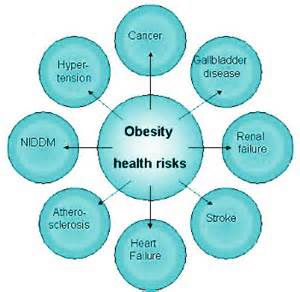
Being overweight is associated with cancer, high blood pressure, high blood cholesterol, arthritis and emotional problems. Obese people are known to have a shorter life expectancy, by about five years. There is a genetic predisposition to being overweight, but healthy eating and physical activity have been know to override this disposition. The Body Mass Index The body mass index (BMI) is the most acceptable and accurate measurement for weight assessment. It uses a person’s height and weight to compare the ratio of body fat to total body mass. A B
A BMI of:
18.5 is underweight
18.5- 24.9 is a healthy weight
25-25.9 is overweight
30+ is Obese
Another measurement used for weight assessment is the waist circumference. A healthy waist circumference is less than 40 in men, less than 35 in women. Who Is At Risk? Diet and physical activity are key factors in maintaining a healthy weight. Physical inactivity and an unhealthy diet are also key risk factors for being overweight or obese. For children the risk of obesity starts before birth. Maternal factors such as smoking, gestational diabetes and obesity increase the chances of a child developing into an obese child. Breast feeding reduces the risks of childhood and adult obesity. A low fibre diet, consuming more calories than the body burns, a diet high in saturated fats and consuming too much sugar can lead to overweight/obesity. Adults who sit a lot at home or work, rather than standing or walking can put the pounds on quite easily. Others At Risk:
Children who consume too many calories or eat junk food.
Children who are inactive
Children who watch TV for more than 5 hours per day.
Teenagers who spend money on junk food and eat less at home
Adolescents who begin smoking increase their risk.
Adults who sit a lot at home and at work
Adults who cheat on portion sizes
A sedentary lifestyle
Overeating
Overweight people will be required to self-care (health care at home) to lose weight and protect their health.
Our free health insurance plan prepares individuals to take control by losing weight through self-care. Click here to learn how you can access it.


Comments